


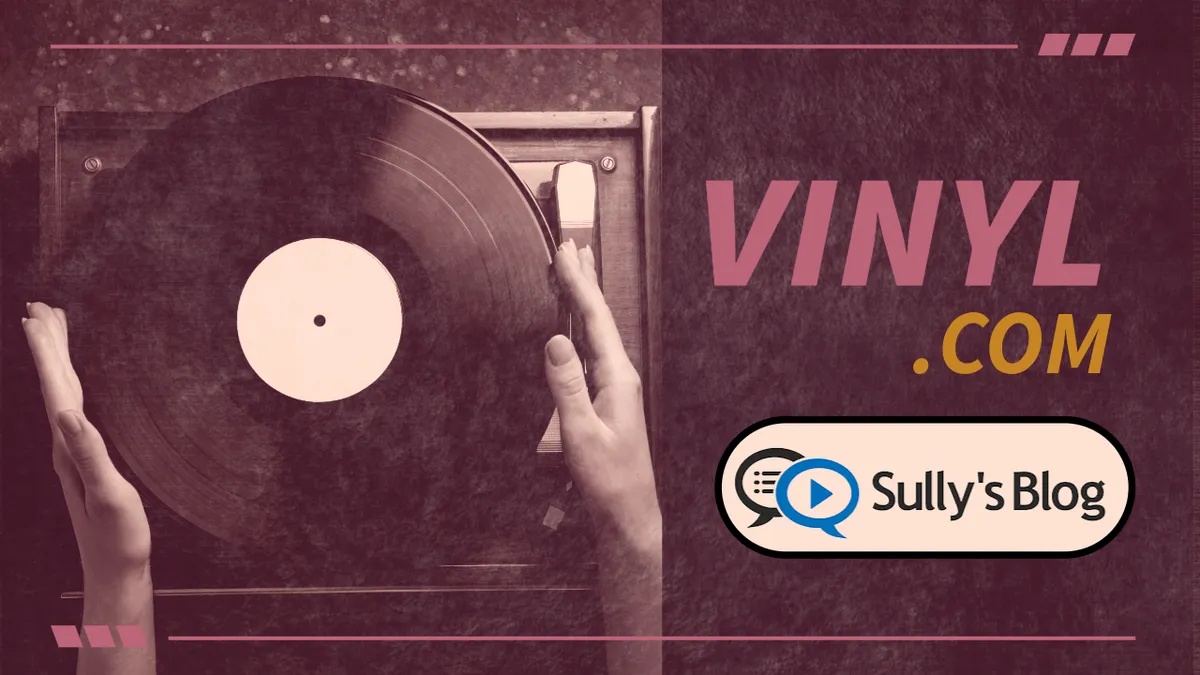
Vinyl.com is another one of those domains that says what it means. It is a category word, a cultural object, and a buying intent all in one. If you have been around domains long enough, you know names like this are rare because they are not clever. They are obvious.
What matters next is what you do with that kind of asset.
Vinyl.com launched as an online record store with a deep catalog, positioned as a place to shop records and discover music. Vinyl Group has been open about investing heavily into the Vinyl.com domain, viewing it as a strategic cornerstone for the business.
Germán Rodrigo has been part of that push, with a background in growth and product. I wanted to talk with him about what it actually takes to turn a category killer domain into a real operating business, how they think about trust and conversion, and what the next chapter looks like.
Let’s get into it.
Find quality domains for just $99 - or list names you're not renewing for free and cash in.
Mike: What was the biggest strategic reason to go all in on Vinyl.com versus building on a different brand?
German: The biggest reason is that Vinyl.com is instantly understandable. When someone hears it, they already know what the site is about. That removes a lot of the friction you normally have when launching an ecommerce brand.
It’s also simply a great URL. It’s short, memorable, and exactly matches the category. Domains like that are rare.
A category domain also comes with a level of built-in trust. If you’re buying records online and you land on Vinyl.com, it feels like a natural place for that transaction to happen. Our view was that instead of spending years trying to build recognition for a new brand, we could invest that time and energy into building a better product and experience on top of a domain people already intuitively trust.
Mike: What is the simplest way to explain Vinyl.com to someone who has never bought a record online?
German: The simplest way to explain it is this: it’s an online record store with a very deep catalog where you can both shop for records and discover music.
You can come with a specific album in mind and buy it quickly, but you can also browse and explore like you would in a physical record store. A big part of the experience is helping collectors find things they didn’t know they were looking for.
Mike: How do you think about the promise of a category domain? What expectations does it create that a normal brand name does not?
German: If someone lands on Vinyl.com, they expect a serious record store. That means a large catalog, competitive pricing, reliable shipping, great customer service, and a shopping experience that feels trustworthy.
With a brand name, you can define what the brand means over time. With a category domain, people already have a mental model before they even arrive. The upside is credibility, but the trade-off is that expectations are higher from day one.
Mike: How do you balance discovery browsing with high-intent shopping on the same site?
German: We think about it as two different user modes.
Some people arrive with a very specific intent. They know the exact album they want and just want to buy it quickly. For those users, search, filters, and product pages with clear information matter a lot.
Others are in discovery mode, which is closer to the experience of browsing in a record store. For those users, collections, recommendations, wishlists, and browsing categories become more important.
We also try to support the moments in between. A collector might discover a record today but only decide to buy it later. Features like wishlists and alerts when a record comes back in stock or goes on sale help bridge that gap.
The challenge is making sure both experiences can coexist without getting in each other’s way.
Mike: Do you own other domain names? How did you land this one?
German: Yes, we own and operate a portfolio of premium media and commerce domains as part of Vinyl Group’s broader strategy.
We’re in the business of advertising representation and licensing for some of the world’s most recognisable URLs, including Rolling Stone Australia, Variety Australia, Refinery29 Australia, and Rotten Tomatoes. These sit within a wider network of cultural media assets under Vinyl Group.
The Vinyl.com domain was a strategic acquisition from one of our major shareholders, Songtradr, and reflects our focus on securing culturally relevant digital assets.
Mike: What advice do you have for people looking to start an online business?
German: Focus on solving a real problem for a specific group of customers rather than trying to build something for everyone.
Be intentional about which audience you serve and who you don’t serve, at least initially. Focus is key.
Distribution matters just as much as the product. Many ecommerce businesses underestimate how hard it is to acquire customers consistently and profitably.
And try to learn from real customers as early as possible. It’s very easy to spend months perfecting something internally that customers may not actually care about.
Mike: How do you approach SEO when the domain already has the keyword? What is still hard about ranking and converting?
German: Having the keyword in the domain helps with relevance and credibility, but it doesn’t solve SEO on its own.
You still need strong product pages, good internal linking, structured data, and content that search engines can understand. Competition is also intense in ecommerce, especially for popular artists and albums.
Conversion is another challenge. Getting traffic is only part of the equation. You also need pricing, trust signals, and a user experience that convinces people to actually complete the purchase.
Search itself is also evolving. With LLMs and AI assistants, there’s now another layer beyond traditional SEO. Brands increasingly need to think about how they appear in AI-generated answers and summaries. That means being cited across trusted sources and building a strong overall presence online. In many ways it complements SEO, but it’s changing how discovery happens and how people search.
Mike: If you could rewind to before launch, what would you build differently in the first 90 days?
German: I would spend even more time talking to collectors and understanding how they actually browse and manage their collections.
One thing we’ve been working on more recently is tools that help collectors organize and explore their libraries, like our Vinyl Shelf platform. In hindsight, leaning earlier into the collector side of the experience would have been valuable.
Mike: Two years from now, what needs to be true for you to say Vinyl.com is working the way you envisioned?
German: For me, success would mean that Vinyl.com is the first place collectors think of when they think about vinyl, CDs, and music collectibles more broadly.
That includes having a very deep catalog, a strong reputation for reliability, and an experience that feels meaningfully better than a typical ecommerce store, especially for people who take collecting seriously.
At the same time, we want to go beyond just being a place to buy records and become a more modern home for collectors. That’s where things like Vinyl Shelf come in, giving people a way to showcase their collections, discover new music, and engage with the culture around it.
If collectors feel like Vinyl.com understands how they collect, discover, and manage their music, and plays a role beyond just the purchase, that’s when we’ll know it’s working.