


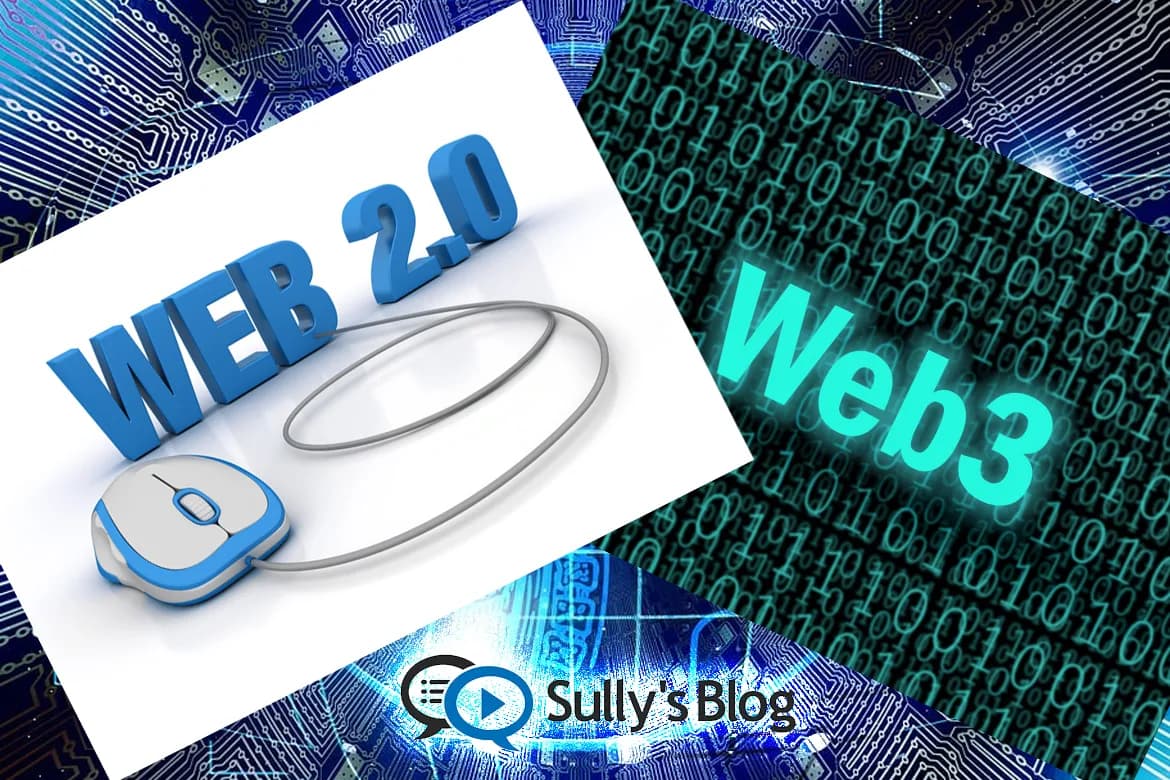
Since my first post about Web3 domains, I keep getting the same question: “Okay, but how are these really different from regular domains?”
It’s a fair question. On the surface, it might look like we’re just talking about new extensions and some crypto hype. But after digging in, the differences go way deeper—and they matter.
Ownership That Sticks
With a regular domain, you don’t really “own” it. You’re renting it from a registrar, and if you forget to renew, or a business or government decides to intervene, or even if your credit card fails, you could lose it. We’ve all seen it happen.
With Web3 domains, you actually own the name. It’s minted as an NFT and tied to your wallet. No renewals, no middlemen, no central authority that can yank it away. Once it’s yours, it’s yours! That alone is a big shift.
Function Beyond Websites
Traditional domains are basically addresses that point you to a website. Very useful, but that’s about it other than matching your email address to it.
Web3 domains do more. They can replace long wallet addresses, serve as your digital identity across apps, host decentralized websites, and even display your NFTs. They’re more like a Swiss Army knife for your online presence.
Investment Angle
Traditional domains have decades of data behind them—clear pricing trends, established marketplaces, and .COM dominance. They’re stable but come with ongoing renewal costs.
Web3 domains are younger, riskier, and more volatile, but they also don’t carry annual fees. That means you can hold them long term without bleeding cash on renewals.
Branding Matters
.COM will always be king for mainstream credibility. But in the Web3 world, a .crypto or .nft name can give your project instant street cred. It signals that you “get it” and are part of the community.
My Take
I’m not giving up my traditional portfolio, but I am carving out space for Web3 names. To me, it’s not an either/or—it’s about diversification. One gives stability, the other gives potential upside. Together, they cover both bases.
If you care about digital real estate, it’s worth understanding both. The internet is evolving with Web3 and AI as examples, and the investors who pay attention to these types of shifts usually come out ahead.